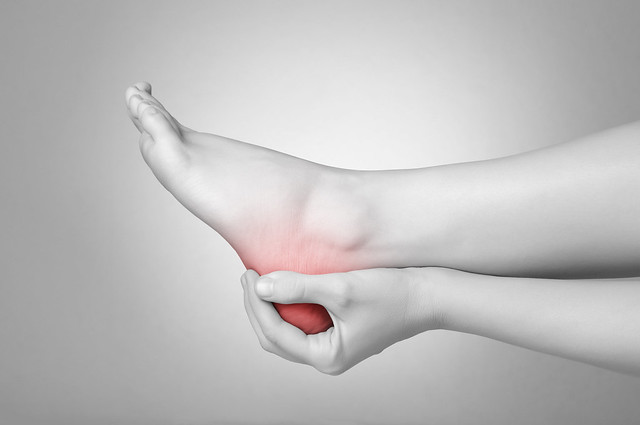
How a biomechanical assessment can help you
A biomechanical assessment can help guide treatment choices that may:
- Reduce pain and discomfort
- Reduce the risk of further injury
- Enhance gait efficiency and mobility
- Increase muscle strength through targeted rehabilitation
Conditions treated include (click on any condition below to learn more):
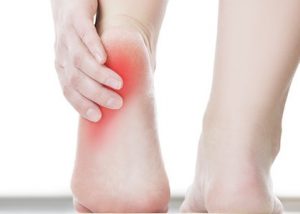
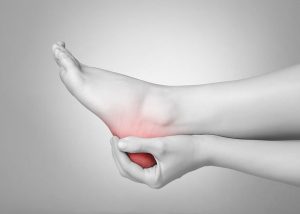
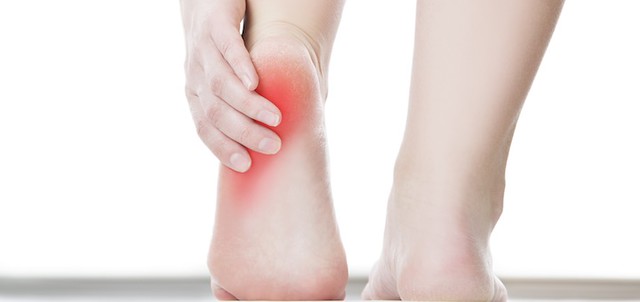
- Musculoskeletal (MSK) & Pain Management: Achilles tendinitis/tendinopathy, ankle injuries, metatarsalgia (forefoot pain), Morton’s neuroma and plantar fasciitis (heel pain).
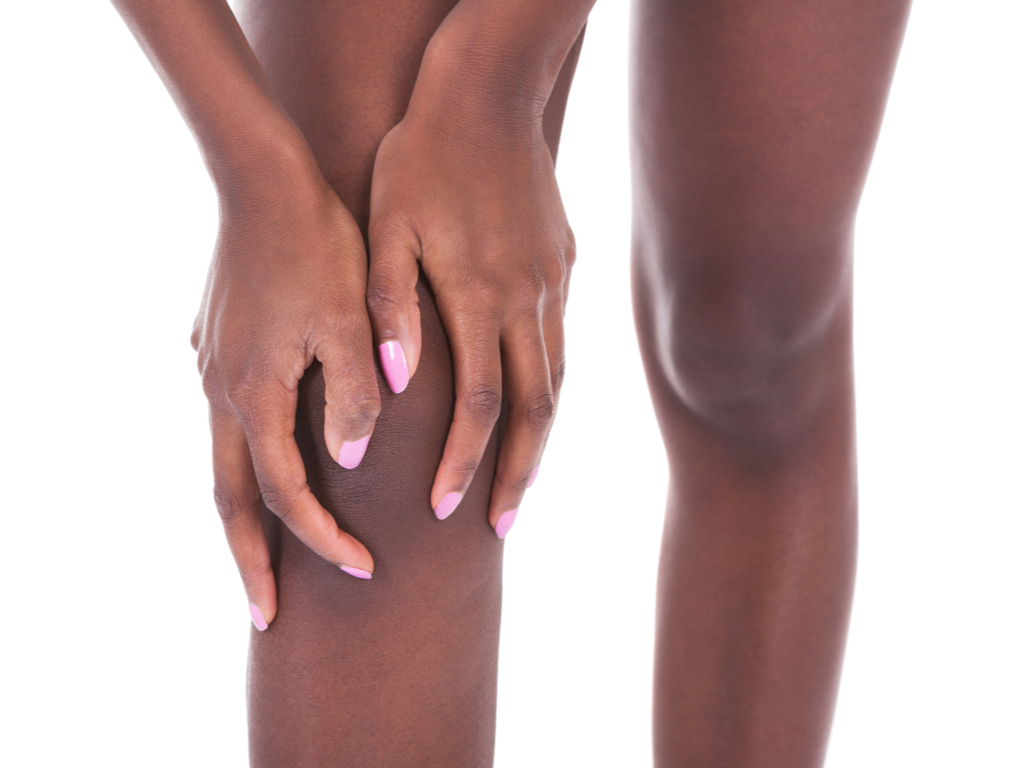
- Sports Injury & Performance: Overuse injuries, patellla tendinopathy, patellofemoral pain syndrome (runner’s knee), sprained ankles and sprained ankles.
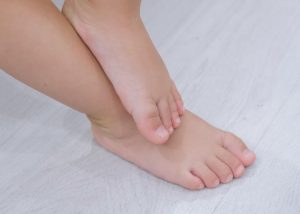
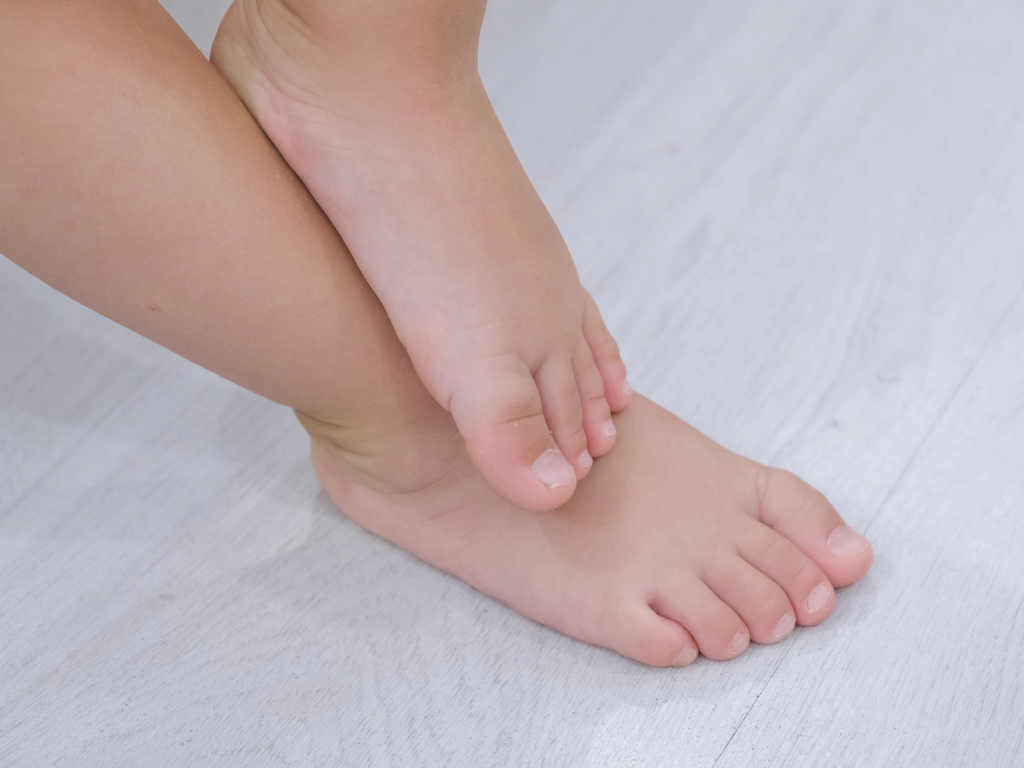
- Children’s Foot Health (Paediatrics): Flat feet (pes planus) , hypermobility, in-toeing and toe walking, Osgood-Schlatter disease and Sever’s disease.
- Foot Structure & Alignment: Bunions, flat feet (pes planus), hammer toe and high arches (pes cavus).
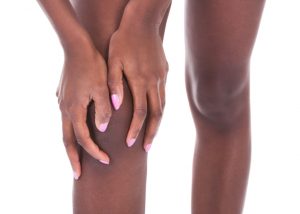
- Biomechanical & Referred Pain: Back pain, hip discomfort originating from the kinetic chain and knee injuries.
Biomechanical assessments, podopaediatrics, for children
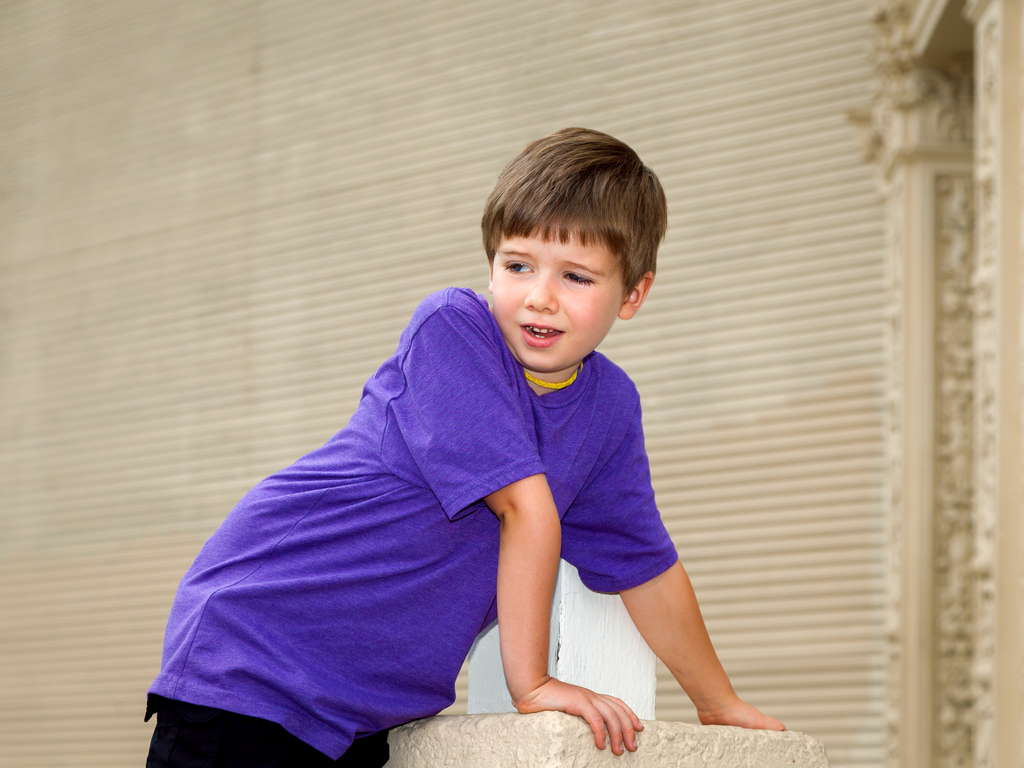
Rachel is a very experienced practitioner of pediatric podiatry who is patient and gentle with children of all ages. She has extensive experience in conducting biomechanical assessments and has treated many children, helping them to achieve better foot health and function.
A biomechanical assessment for children lasts 45 – 60 minutes and a full medical history of your child will be taken. The consultation is a quick and painless procedure. Do bring any toys, books, drinks or snacks that your child may enjoy.
For more information about biomechanical assessments and orthotics for children see the Children’s foot care page.
Kinetic Chain
Rachel examines how your feet, ankles, knees, hips, and spine link together as a complex interconnected system, known as the kinetic chain.
By identifying imbalances within this chain, Rachel can determine the underlying mechanical cause of painful conditions. The assessment is suitable for both adults and children (podopaediatrics) and can help provide a diagnosis and a tailored treatment plan.
This may include the prescription of corrective custom orthotic insoles to improve alignment, relieve pain and restore mobility.
A biomechanical assessments are also valuable to athletes, dancers and active individuals helping to enhance sports performance and reduce the risk of injuries.
What to expect during a biomechanical assessment
A biomechanical assessment and gait analysis for an adult lasts one hour. Rachel will take a detailed medical history and can examine your walking patterns, standing alignment and your posture. Please wear comfortable clothes, as you may be asked you to walk, sit or lie down on a treatment couch.
Your assessment may include:
- Non-Weight Bearing Exam: An evaluation of your joint range of motion and muscle strength while seated or lying down.
- Static Assessment: Observing your standing posture and pelvic alignment.
- Gait Analysis: A detailed observation of your movement patterns and walking cycle to identify any compensations or inefficiencies.
- Footwear Review: It is very helpful if you bring some of your current shoes/trainers to assess how you wear them and how they have worn over time.
Tailored Treatment Plans
Following your assessment, Rachel will discuss her findings and develop a personalised management plan. Treatment may include:
- Specialist Advice: Guidance on activity modification and injury management.
- Targeted Exercises: Strengthening or stretching programmes to address imbalances.
- Footwear Guidance: Recommendations on the best shoe types for your specific biomechanics.
- Clinical Interventions: This may include taping or medication and an orthotic insole.
Prescription Medical Orthotic Insoles
Rachel may prescribe custom-made orthotic insoles to help address biomechanical issues. An orthotic can help correct structural imbalances, provide support, cushion and improve foot function. An orthotic insoles may help alleviate some painful conditions affecting the heel, foot, ankle, knee, hip, back and neck.
If a bespoke orthotic insoles is required, a cast of your foot will be taken during that assessment. Your insole is then crafted to the precise shape of your foot. It can be made in a range of materials, densities and lengths, depending on your needs and be comfortably worn with a wide range of shoes and trainers.
Follow-up and Fitting
A complimentary fitting consultation is provided three to four weeks after your biomechanical assessment. This is to fit your orthotic properly into your footwear and any necessary adjustments can be made. If you cannot attend in person, your orthoses can be sent by post.
- Plaster casts are stored for a minimum of two years, making it easy to order additional pairs for different shoes, which many patients find convenient and extends the lifespan of their orthotics.
- All bespoke orthotic insoles are guaranteed for 18 months against material defects.
Appointments and clinic details
Rachel Miller is a highly experienced podiatrist specialising in biomechanics and orthotic insoles. Her clinics are held at Highgate Podiatry, in Highgate village, 14 Pond Square, N6 6BA, North London, every Wednesday, Thursday, Friday and Sunday. Contact the clinic for an appointment on 020 8348 5553.
For clinic directions and maps see the Contact page and for more information about podiatric conditions see the Podiatry page. See Orthotic insoles page for more information about orthotic insoles.
Rachel is registered with most healthcare insurance providers. For detailed information about fees for biomechanical assessments, orthotics and claiming through your insurer, see the Fees page.
Frequently Asked Questions: