Understanding Plantar Fasciitis
The plantar fascia plays an important role in walking and running. As your heel lifts off the ground, the plantar fascia tightens to support the arch of your foot and help propel you forward.
In some foot types, this structure becomes overloaded and susceptible to injury, leading to a chronic pain condition known as plantar fasciitis.
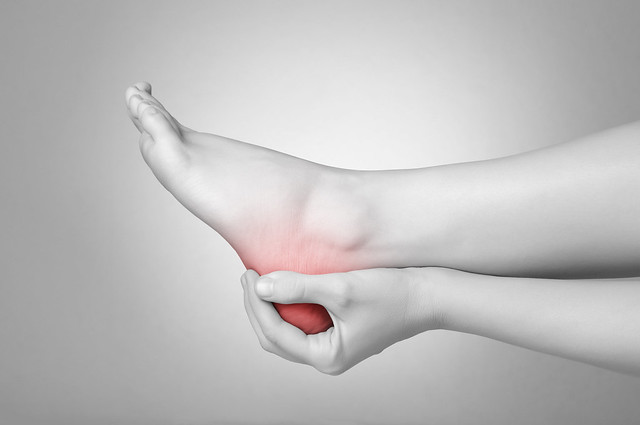
The pain most commonly occurs at the inner, medial, part of the heel, but it can affect any part of the plantar fascia.
Plantar fasciitis is now understood to be more of a degenerative condition, sometimes referred to as plantar fasciosis, rather than purely inflammatory.
Symptoms of plantar fasciitis
You may first notice plantar fasciitis as a pain under your heel or in your foot arch.
Typical symptoms include:
- pain which is worse first thing in the morning
- heel pain after resting.
- pain can ease with movement, warming up, and as the day goes on, the pain tends to get worse again.
- a stiffness in the heel
- swelling and tenderness on the bottom of the foot
- a sharp burning sensation under the heel
If your plantar fasciitis progresses without treatment and your plantar fascia deteriorates, the condition can become painful all the time, affecting your ability to walk or exercise. Delay in treatment can mean the formation of calcium, bone, within the plantar fascia, which can mean it takes longer to heal.
Causes of plantar fasciitis
Plantar fasciitis is sometimes described as an overuse injury. Persistent repetitive stress and strain can lead to small amounts of damage, microtrauma, in the plantar fascia interfering with healing processes.
A person’s foot mechanics can be a contributing factor in plantar fasciitis.
- High arches (pes cavus) can cause excessive supination, when to compensate for your high arch your foot rolls further outwards than normal during motion. This can lead to stresses in the plantar fascia.
- Flat feet (pes planus) can be linked with overpronation, with your foot rolling inwards during gait which can increase the risk of developing plantar fasciitis.
Limited ankle dorsiflexion is also considered to be a factor in developing plantar fasciitis. Your gastrocnemius, one of your calf muscles, can be tight causing an increase in your Achilles tendon tension that can alter your gait, increasing your steps per day. It is thought that this increased force may lead to added stress on your plantar fascia. One study estimates that nearly 4 out of 5 people with plantar fasciitis also have a tight Achilles tendon.
Risk factors for plantar fasciitis include:
- Prolonged standing, especially on hard surfaces
- obesity or a sudden weight gain
- poor or unsupportive footwear
- running and high impact sports
- age; being middle aged or older
- leg length differences
- some medical conditions, such as spondyloarthropathies or diabetes
- being pregnant
- previous injuries, such as ankle sprains
Plantar fasciitis is most often associated with jumping sports, such as basketball and running sports, especially those that involve toe running rather than heel running styles. Training or competing on hard surfaces can be an aggravating cause and changes to exercise patterns, such as to a more intense regime, may initiate plantar fasciitis.
Treatment of plantar fasciitis
An experienced podiatrist can provide treatment and guidance on effectively managing plantar fasciitis.
When should you seek treatment for plantar fasciitis:
-
your heel pain persists for more than a few weeks
-
the pain is worsening or affecting your walking
-
you experience pain first thing in the morning
-
self-care measures are not improving your symptoms
Early assessment can help prevent the condition becoming chronic and reduce recovery time.
Plantar Fasciitis has a good rate of recovery. A comprehensive biomechanical assessment from an experienced podiatrist can diagnose plantar fasciitis and the underlying causes that might make you susceptible to the condition.
You will then be given a treatment plan which can include:
Self-care and rehabilitation
- stretching and strengthening exercises
- advice about modifying activity levels
- gradual return to exercise
Symptom relief can include
- foot taping
- rest
- ice therapy
- medication guidance where appropriate
Footwear and biomechanical management
- footwear advice
- a custom orthotic insole
A bespoke orthotic insole can be prescribed as part of your treatment plan to help support and stabilise the foot, reduce strain on the plantar fascia and improve foot function.
Rachel Miller is a highly experienced podiatrist specialising in biomechanics who sees many patients for plantar fasciitis. Her clinic, Highgate Podiatry, is in Highgate Village, 14 Pond Square, N6 6BA, London. Clinics are held every Wednesday, Thursday, Friday and Sunday. Please contact the clinic for an appointment on 020 8348 5553. For the clinic’s address, map and directions see the Contact page and for information about orthotic insoles and biomechanics see the Biomechanics page.
For detailed information about fees and health insurance claims, see the Fees page.
Call the Clinic for an appointment