Flat Feet in Adults and Children
We are born with flat feet (pes planus) and then our muscles and tendons tighten up and arches, a gap beneath the inner part of the foot, usually begin to develop at around 3 years old. Flat feet can either be congenital, they are present from birth or acquired, they develop from perhaps injury, illness or wear and tear. Flat feet mostly cause no problems and do not need treatment.
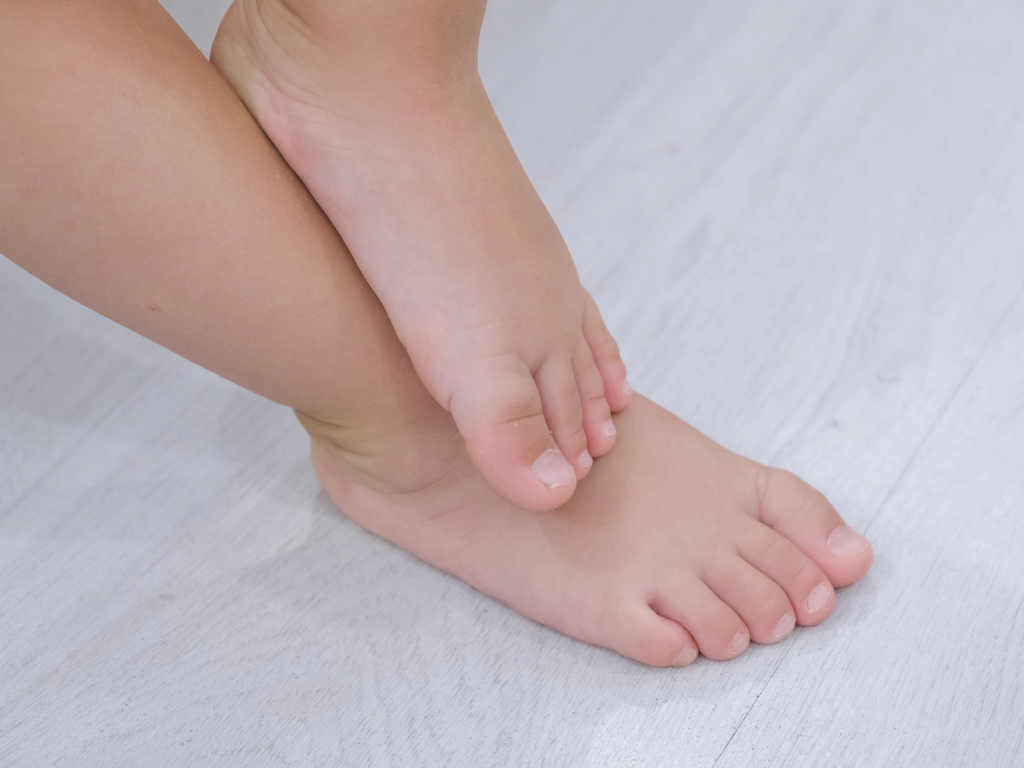
Flat feet in children are often divided into two types, flexible and rigid. Flexible flat feet are the most common type, you can see an arch when there is no weight on the foot but the arch disappears when putting weight on it.
A rigid flat foot is rarer; even when there is no weight put on the foot there is no arch. This condition often develops during teen years and can be painful needing treatment.
Adult acquired flatfoot, when the arch drops or collapses, sometimes is referred to as hyperpronation or overpronation. Overpronation, when your foot rolls inward toward the arch excessively during gait, can be painful and may cause stresses and strains increasing your susceptibility to various conditions. Athletes with overpronation, particularly runners, may see an increased likelihood of developing overuse injuries and sprains. Flat feet also can occur in people whose feet do not over-pronate.
Symptoms of flat feet
Children can complain of pain or tenderness in the foot, leg or knee and parents may notice an outward tilting of the heel, some awkwardness or tiredness when playing or difficulty with shoes.
Symptoms of flat feet can include:
- redness, swelling and pain
- painful or achy feet, especially in the areas of the arches and heels
- stiffness
- numbness
- problems with balance
- feet tire easily
- the bottom of your feet become swollen
- leg, knee, hip, lower back pain
- recurrent injuries to your feet or ankle
A flat foot can occur in one foot.
Flat feet may be associated with, or contribute to, certain musculoskeletal problems, including:
- Plantar fasciitis – Pain at the bottom of your heel or your arch, sometimes described as an overuse injury.
- Stress fractures – Tiny cracks often caused by repetitive forces through the bone due to intense exercise.
- Achilles tendinopathy – A common overuse repetitive injury causing heel pain.
- Patellofemoral pain syndrome – Pain in and around the kneecap.
- Bunions – lump that forms on the side of your big toe joint causing your toe to bend inwards and the joint to jut out. A bunion can press against shoes putting pressure on the joint, which can become inflamed, stiff and painful.
Causes of flat feet
Flat feet can run in families and some people may have an inherited predisposition to developing flat feet.
Flat feet can be part of such conditions as:
- Down syndrome
- Marfan
- Ehlers-Danlos
- spina bifida
- cerebral palsy
- muscular dystrophy
Flat feet can progress slowly as you increase your foot’s exposure to weight-bearing activities. Repetitive high impact sports, such as running and football, can also be a factor.
Risk factors for acquiring flat feet include:
- obesity
- diabetes
- ageing
- pregnancy
- rheumatoid arthritis
- injury
Posterior tibial tendon dysfunction
Posterior tibial tendon dysfunction (PTTD), sometimes referred to as progressive collapsing foot deformity (PCFD), is the most common type of acquired flat foot developed during adulthood. The tibialis posterior is a muscle in the lower leg. The tendon from this muscle runs behind the inside bone on the ankle, under the instep, and attaches under the sole of the foot. This important muscle helps to hold the arch of the foot up. Sometimes, the tendon becomes stretched and inflamed due to overuse or injury, impairing its ability to support the arch causing flat feet. Symptoms can begin with pain on the inside of the foot and ankle and later as the condition progresses and the foot flattens, pain can move to the outside of the foot, below the ankle. Arthritis can develop in the foot and ankle as well.
Treatment for flat feet
Treatment can depend on what is the type of flat foot, its symptoms and how it has progressed. A specialist biomechanical assessment can help identify the type and severity of the foot problem and guide an appropriate treatment plan. The assessment may include observing gait, assessing the foot’s range of motion, examining the feet while weight-bearing, assessing muscle strength and taking a detailed medical and family history.
Treatment can include:
- footwear advice
- lifestyle advice
- strengthening and stretching exercises
- advice about medication
- advice about your sporting activity
- an orthotic insole
A bespoke orthotic insole may be prescribed as part of your treatment. An orthotic insole may help support and stabilise the foot to prevent stresses and strains on the ankle, knees, hips and lower back.
Rachel Miller is a highly experienced podiatrist and a specialist in biomechanics and orthotic insoles who sees many children and adults with flat feet. Her clinic, Highgate Podiatry, is in Highgate Village, 14 Pond Square, N6 6BA, London. Clinics are held every Wednesday, Thursday, Friday and Sunday. Please contact the clinic for an appointment on 020 8348 5553. For the clinic’s address, map and directions see the Contact page and for information about orthotic insoles and biomechanics see the Biomechanics page.
Call the Clinic for an appointment